…
World
Over 500 Rohingya feared dead after two suspected shipwrecks off Myanmar, UN reports
Herz — World Desk · · 30s summary · 4 min read
The essentials
The IOM and UNHCR released a joint statement on July 16, 2026, reporting that over 500 people are feared dead following two suspected shipwrecks off Myanmar since late June 2026. The two vessels departed from Rakhine State carrying primarily Rohingya refugees. The first boat, carrying approximately 250 people, lost all contact shortly after departure. The second vessel, with approximately 280 people aboard, is believed to have sunk on July 8, 2026, off the Ayeyarwady coast. The statement calls for strengthened rescue operations and action against human trafficking networks exploiting vulnerable refugees.
- Over 500 people feared dead in two suspected shipwrecks off Myanmar, according to the UN.
- The two boats departed late June from Rakhine State carrying primarily Rohingya refugees.
- The second vessel is believed to have sunk on July 8, 2026, off the Ayeyarwady coast.
- Approximately 300 migrants were already reported dead or missing at sea in 2026 before these sinkings.
- The IOM and UNHCR call for strengthened rescue efforts and action against trafficking networks.
What we know
The IOM (International Organization for Migration, a UN-affiliated intergovernmental agency) and UNHCR (United Nations High Commissioner for Refugees, a UN agency responsible for refugee protection, based in Geneva) issued a joint statement on July 16, 2026. According to the statement, over 500 people are feared dead following two suspected shipwrecks off Myanmar since late June 2026.
The two vessels departed from Rakhine State — formerly known as Arakan, an administrative subdivision of Myanmar (Burma), bordering Bangladesh — in late June 2026. The passengers were primarily members of the Rohingya minority, an ethnic group without citizenship, with a Muslim majority.
The first vessel, believed to be carrying approximately 250 people, lost all contact shortly after departure.
The second vessel, with approximately 280 people aboard, is believed to have sunk on July 8, 2026, off the Ayeyarwady coast — a coastal zone at the mouth of the Irrawaddy River, Myanmar's principal river, approximately 2,170 km in length.
Some passengers reportedly traveled from the Cox's Bazar camps, a port city in southeastern Bangladesh that hosts over one million Rohingya refugees in unsanitary and chronically overcrowded conditions.
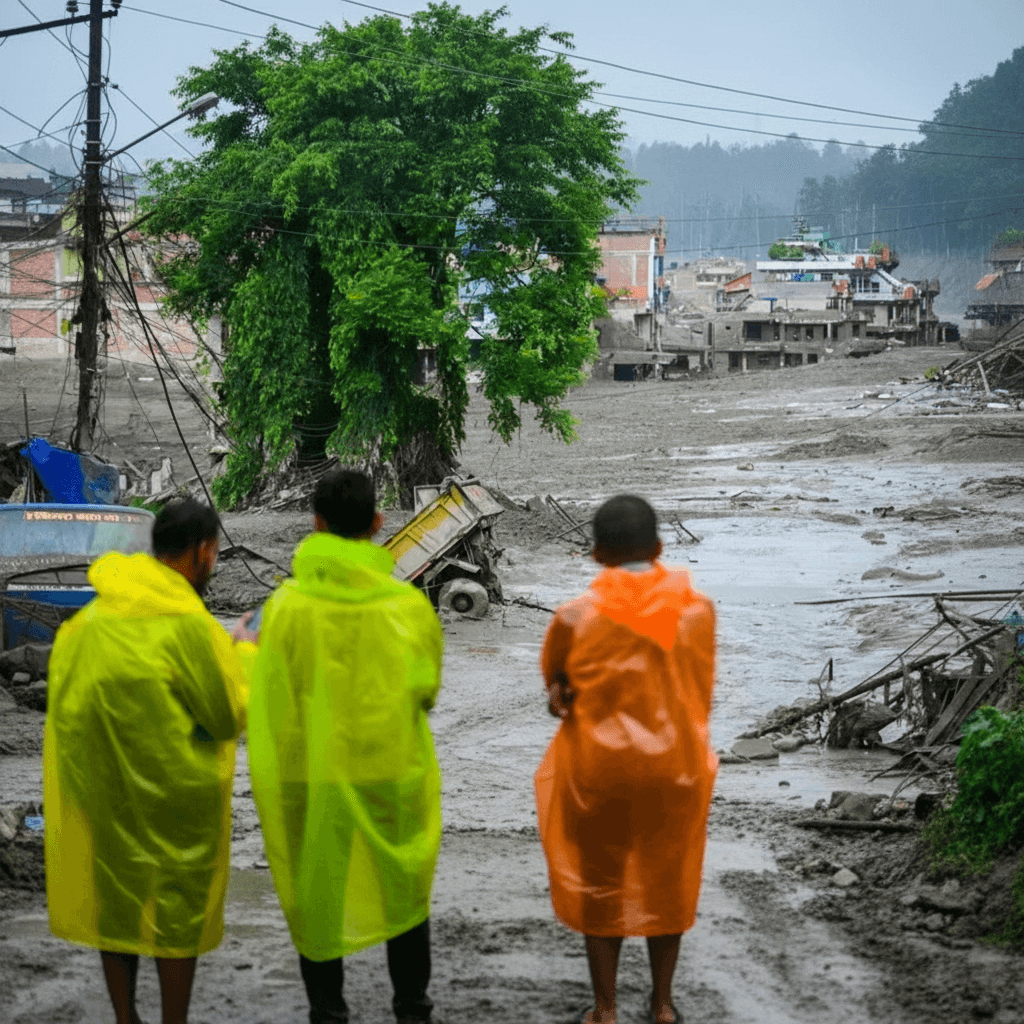
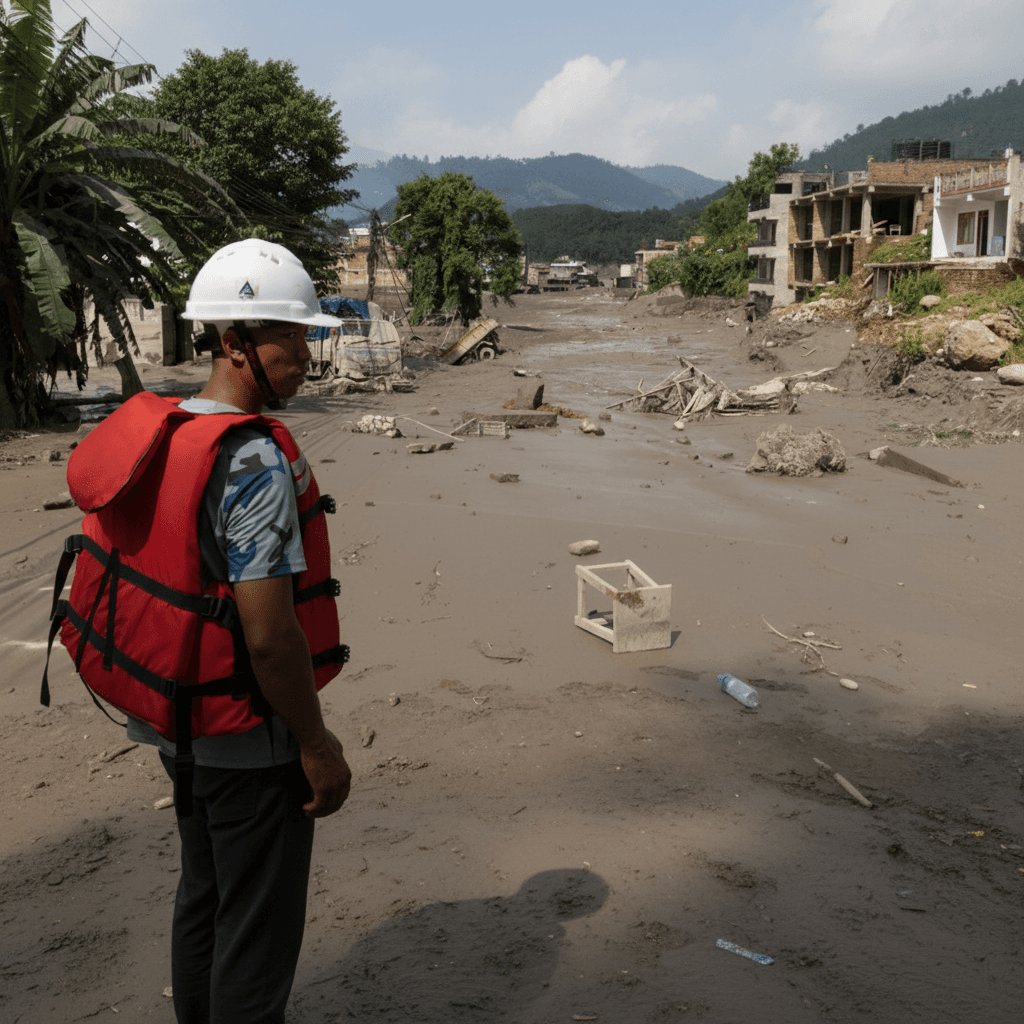
These journeys took place outside the regional navigation season, a period considered more dangerous. Recent heavy rainfall and flooding in the region further increased risks for those aboard.
Context: Who are the Rohingya?
The Rohingya are a stateless ethnic group of Indo-Aryan language, predominantly Muslim, living primarily in northern Rakhine State. Since 2017, they have been persecuted by Myanmar's armed forces—a persecution many international bodies have characterized as genocide—resulting in the forced displacement of over one million people to neighboring countries.
The majority of Rohingya refugees fled to Bangladesh, primarily to Cox's Bazar. Chronic overcrowding and unsanitary conditions in these camps, combined with no prospect of return, have driven some refugees to attempt dangerous maritime crossings, often organized by human trafficking networks.
Timeline
- 2025Approximately 900 Rohingya refugees reported dead or missing at sea in the northern Indian Ocean, among over 6,500 who attempted such perilous crossings.
- January–June 2026Approximately 300 people — Rohingya and Bangladeshi nationals — already reported dead or missing in the Andaman Sea and Bay of Bengal, before the July shipwrecks.
Topics
Related articles

Latest articles



Comments
No comments yet. Be the first to react.