…
World
Gibraltar: Post-Brexit agreement signed, Western Europe's last border fence dismantled
Herz — World Desk · · 30s summary · 4 min read
The essentials
An agreement between the UK, Spain, Gibraltar and the European Union was signed in Brussels on July 14, 2026, concluding over four years of post-Brexit negotiations. The treaty removes land border controls between Spain and Gibraltar and brings this British territory de facto into the Schengen area. On July 15, the physical fence in place since 1908 was dismantled at La Línea de la Concepción in the presence of Prime Minister Pedro Sánchez. Britain's sovereignty over Gibraltar remains intact.
- UK-Spain-EU agreement signed in Brussels on July 14, 2026 after four years of negotiations
- 1908 border fence dismantled on July 15 at La Línea de la Concepción
- Gibraltar de facto joins Schengen area, British sovereignty preserved
- 15,000 Spanish workers cross the border daily without controls
- British arrivals by air subject to EU's EES biometric system
What we know
An agreement between the UK, Spain, Gibraltar and the European Union was signed in Brussels on Tuesday, July 14, 2026 and entered into force at midnight, according to The Guardian. It concludes over four years of post-Brexit negotiations.
The treaty removes land border and customs controls between Spain and Gibraltar. It entrusts Spain with responsibility for Schengen controls at Gibraltar's airport and port.
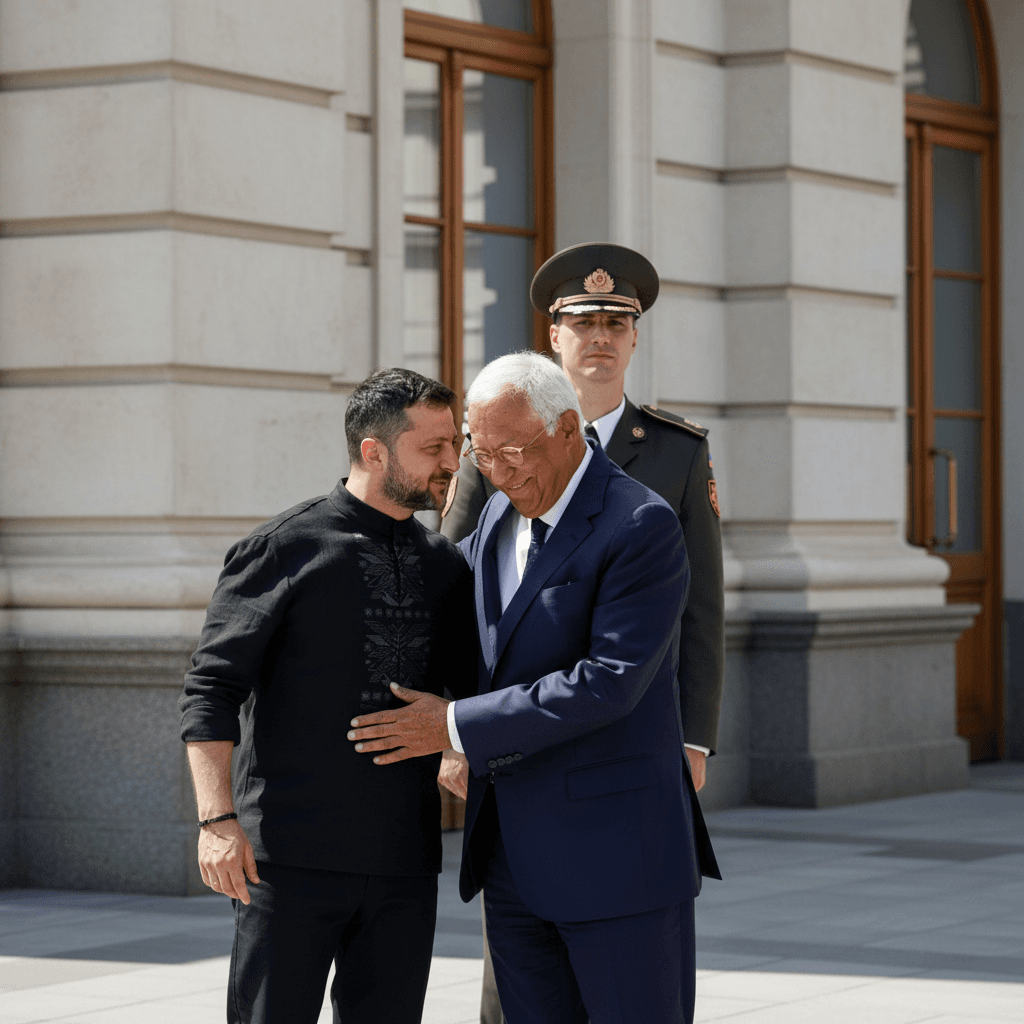
On July 15, 2026, workers equipped with a crane removed the iron grilles of the physical fence separating Spain from Gibraltar since 1908, at La Línea de la Concepción, in the presence of Prime Minister Pedro Sánchez. This fence was described as 'Western Europe's last border fence'.
Gibraltar becomes de facto a member of the Schengen area — the shared territory of 29 European states where internal borders are removed. British citizens arriving in Gibraltar by air must pass through the EES (EU Entry/Exit System), a biometric device operational since April 2026 that records passages at the external borders of the Schengen area through fingerprint scanning and facial recognition.
The treaty does not affect British sovereignty over Gibraltar or its constitutional protections, stressed Fabian Picardo, Chief Minister of Gibraltar.
Context
Gibraltar is a British Overseas Territory of approximately 40,000 inhabitants, located at the southern tip of the Iberian Peninsula, separated from Spain by a border of 1.2 kilometres. It was ceded to the British Crown by the Treaties of Utrecht — two peace treaties signed in 1713 following the War of Spanish Succession, establishing a sovereignty dispute between London and Madrid that has lasted three centuries.
Gibraltar's economy depends heavily on the 15,000 Spanish workers who cross the border daily. Opposite, Campo de Gibraltar — the southernmost comarca of Cádiz province, grouping approximately 300,000 inhabitants — is closely tied to Gibraltar's economy.
The UK officially left the European Union on 31 January 2020, placing Gibraltar in an unprecedented situation at the gates of the Schengen area, without a defined legal framework. In the June 2016 referendum, Gibraltar had voted 95.9% to remain in the EU, anticipating the border complications to come.
Timeline
- 1713The Treaties of Utrecht cede Gibraltar to the British Crown following the War of Spanish Succession.
- 1908Construction of the physical fence separating Spain from Gibraltar, described as 'Western Europe's last border fence'.
Topics
Related articles



Latest articles


Comments
No comments yet. Be the first to react.