…
World
United Arab Emirates: Germany Does Not Advise Against Travel but Lists Persistent Risks
Herz — World Desk · · 30s summary · 4 min read
The essentials
The German Federal Foreign Office does not advise against travel to the United Arab Emirates—Dubai, Abu Dhabi, and five other emirates. The regional warning for the Gulf, issued after Iranian counter-attacks on February 28, 2026, was lifted in early May. Air traffic has resumed at major airports, but the situation remains volatile. The ministry warns travelers of specific legal risks in the UAE: criminalization of homosexual acts, death penalty still applied, and risks of detention for online or public criticism.
- Germany's Federal Foreign Office does not advise against UAE travel; Gulf warning lifted in early May 2026
- Air traffic resumed at major UAE airports but remains volatile; airspace closures and cancellations possible
- Approximately 30,000 German tour-operator travelers were stranded after Iranian counter-attacks on February 28
- Homosexual acts, cross-dressing, and public displays of affection are criminalized in the UAE
- Death penalty remains in effect in UAE, including for foreign nationals; last execution in February 2025
What we know
The German Federal Foreign Office (Auswärtiges Amt, hereafter AA)—the federal institution responsible for Germany's foreign policy and consular affairs—does not advise against travel to the United Arab Emirates (UAE). This Middle Eastern federal state, founded in 1971, comprises seven emirates: Dubai, Abu Dhabi, Ajman, Fujairah, Ras al-Khaimah, Sharjah, and Umm al-Quwain.
The regional travel warning for the Gulf was lifted in early May 2026 following a period of significant air traffic disruption caused by Iranian counter-attacks.
Air traffic situation: resumption but volatility
Air traffic at Dubai and Abu Dhabi international airports has resumed. However, the situation remains volatile: cancellations, delays, and airspace closures with short notice remain possible.
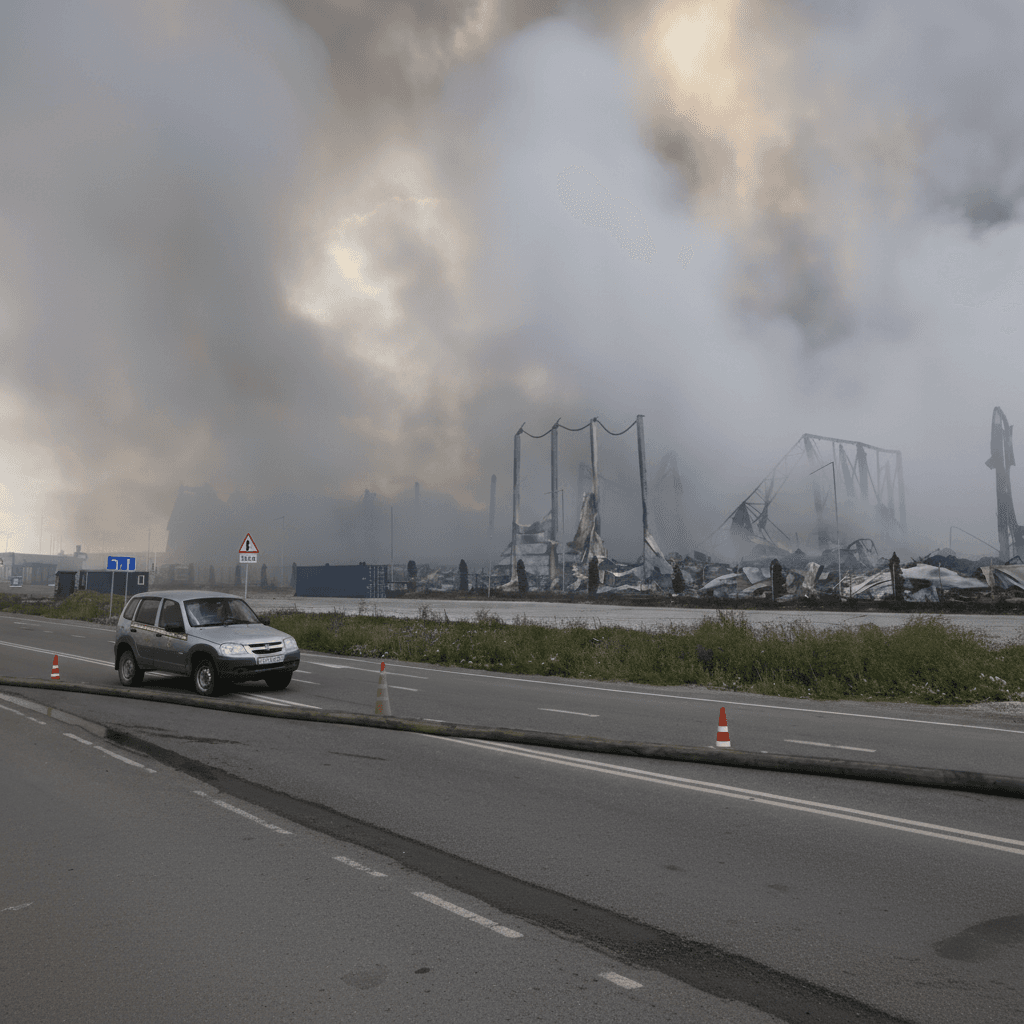
The crisis began on February 28, 2026, when Iranian counter-attacks led to the closure of numerous airspaces throughout the region and near-total cessation of air traffic. According to the Deutscher Reiseverband (DRV)—the umbrella association of the German travel industry representing travel agencies, tour operators, and tourism providers—approximately 30,000 tourists booking through German tour operators were affected.
~30,000
German tour-operator tourists affected by airspace closures in the Gulf region (source: DRV)
Timeline
- 2014The Islamic State (IS/ISIS) issues explicit threats against member states of the international anti-IS coalition allied with the United States, including the United Arab Emirates.
- February 2025Last known capital execution in the United Arab Emirates, confirming the continued application of the death penalty for both nationals and foreign citizens.
- February 28, 2026Iranian counter-attacks begin: numerous airspaces in the Gulf region close, air traffic nearly ceases entirely, approximately 30,000 German travelers are stranded.
Related articles



Latest articles


Comments
No comments yet. Be the first to react.