…
World
Iran: Third night of U.S. strikes, one dead in attack on tankers in Strait of Hormuz
Herz — World Desk · · 30s summary · 4 min read
The essentials
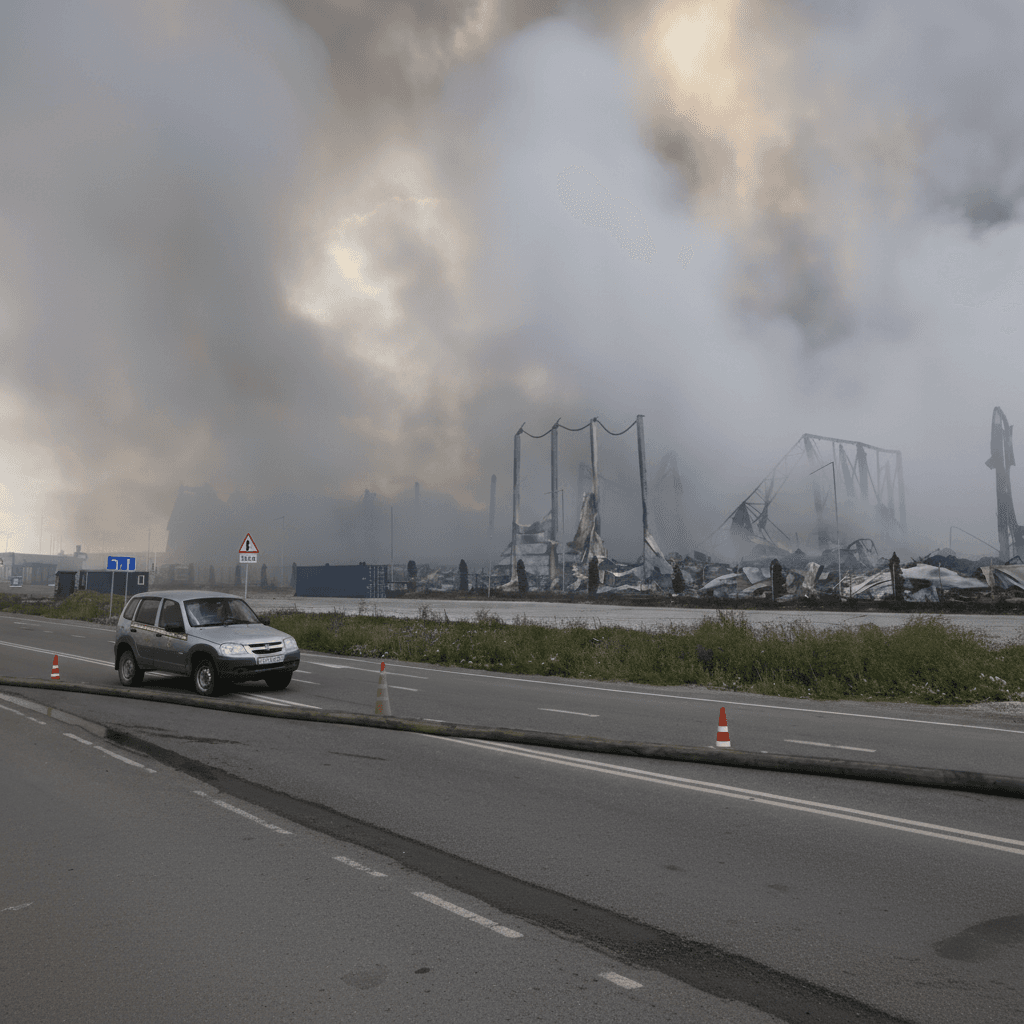
On the night of July 13, 2026, the United States Central Command (CENTCOM) launched a third consecutive round of strikes against military targets in Iran. Simultaneously, Iran attacked two Emirati tankers in the Strait of Hormuz with cruise missiles, killing one Indian sailor and wounding eight others, including four seriously—six Indian nationals and two Ukrainians. President Donald Trump announced these strikes in the afternoon and threatened to target Kuh-e Kolang (known as "Pickaxe Mountain"), a fortified underground complex near Iran's damaged Natanz nuclear site. Explosions were reported across several Iranian coastal areas. Bahrain activated its alarm sirens once again.
- Third consecutive night of U.S. military strikes (CENTCOM) against targets in Iran.
- Iran attacks two Emirati tankers in Strait of Hormuz: one dead, eight wounded.
- Trump threatens to target Kuh-e Kolang, a fortified complex near Iran's Natanz nuclear site.
- Alarm sirens activate in Bahrain; Saudi-led coalition intercepts Houthi missiles.
- United Arab Emirates condemns attack as violation of international law.
What we know
On July 13, 2026 at 10:45 p.m. Central European Summer Time (4:45 p.m. U.S. Eastern Time), the United States Central Command—CENTCOM—launched a third consecutive night of strikes against military targets in Iran. CENTCOM is the division of the U.S. Department of Defense responsible for military operations in the Middle East, headquartered in Qatar. In a statement posted on X, the command indicated that these attacks aimed to restrict Iran's ability to attack civilians and maritime traffic in the Strait of Hormuz.
Shortly before the strikes, Donald Trump announced during a radio interview that U.S. forces would strike "hard tonight and tomorrow" and that Iran "could do nothing about it."
Trump also threatened to strike the Kuh-e Kolang complex—nicknamed "Pickaxe Mountain" by Americans—a fortified tunnel system located near Iran's damaged Natanz nuclear site. Experts assess that the facility is buried so deep that even the most powerful bunker-busting bombs available could scarcely destroy it.
We are going to neutralize Pickaxe Mountain. Tell the Iranians to get ready.
— Donald Trump, President of the United States, July 13, 2026
Iranian state news agency Fars—considered close to the Islamic Revolutionary Guard Corps (IRGC), Iran's paramilitary organization answerable directly to the Supreme Leader—and Press TV reported explosions on Kish Island in the Persian Gulf, as well as in the areas of Bushehr, Qeshm Island in the Strait of Hormuz, and the city of Bandar Abbas.
Iranian attack on Emirati tankers
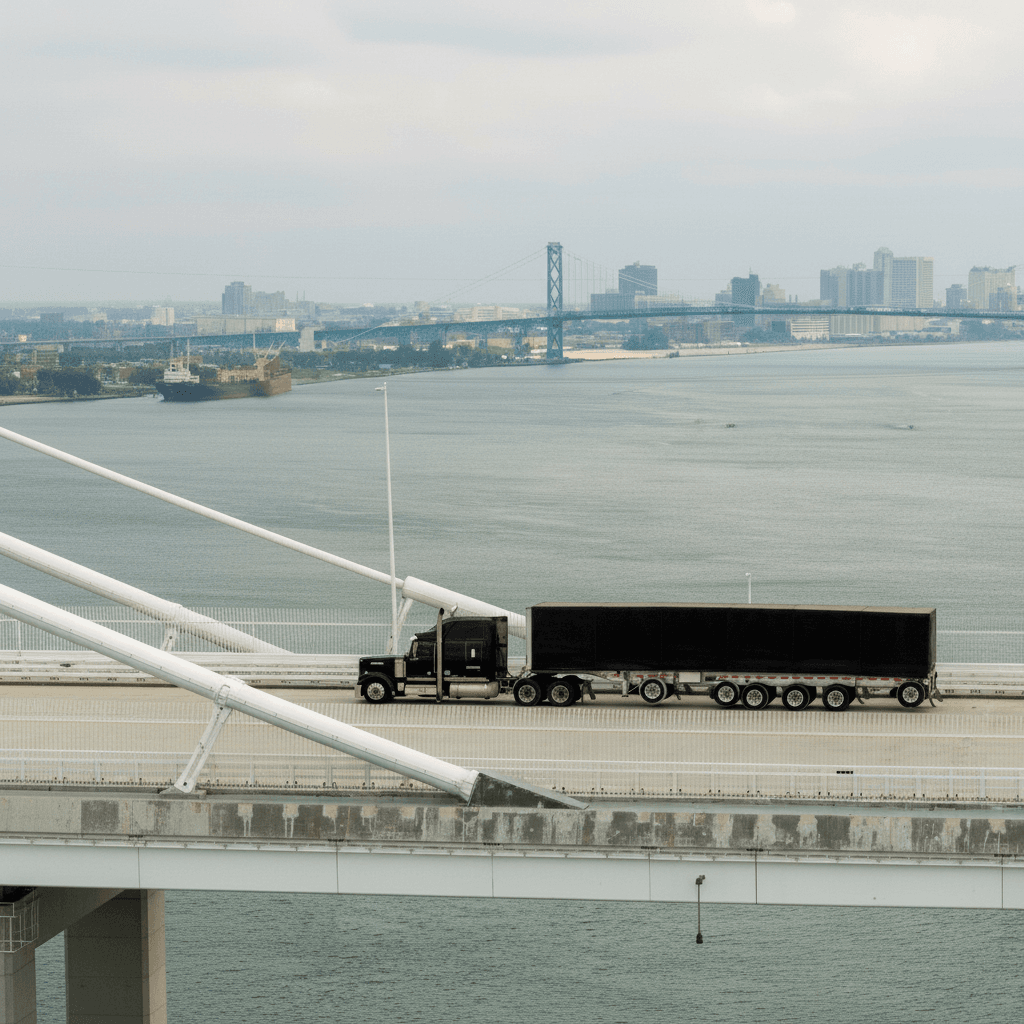
According to the United Arab Emirates' Ministry of Defense, Iran struck two Emirati tankers in the Strait of Hormuz, in Omani territorial waters, using two cruise missiles. The attack killed one Indian sailor and wounded eight people, four of them seriously—six Indian nationals and two Ukrainians. Fires erupted on both vessels before being brought under control.
The United Arab Emirates called the attack a "grave violation and manifest breach of international law" and reserved the right to respond to the escalation.
Regional reactions
Alarm sirens sounded again in Bahrain. The Bahraini Interior Ministry urged residents to remain calm and seek shelter without providing additional details. The previous night, both Bahrain and Kuwait had reported rocket fire directed at their territory.
The military coalition led by Saudi Arabia announced it had intercepted ballistic missiles fired by Houthis toward southern Saudi Arabia. The Houthis had vowed to retaliate following strikes on Sanaa airport in Yemen.
Background
The Strait of Hormuz is a maritime passage in the Persian Gulf connecting it to the Gulf of Oman. Its northern shore borders Iran, while its southern shore is bordered by the United Arab Emirates and the Sultanate of Oman.
Related articles


Latest articles



Comments
No comments yet. Be the first to react.