…
World
Australian forest fire active for 13 days; low humanitarian impact forecast
Herz — World Desk · · 30s summary · 2 min read
The essentials
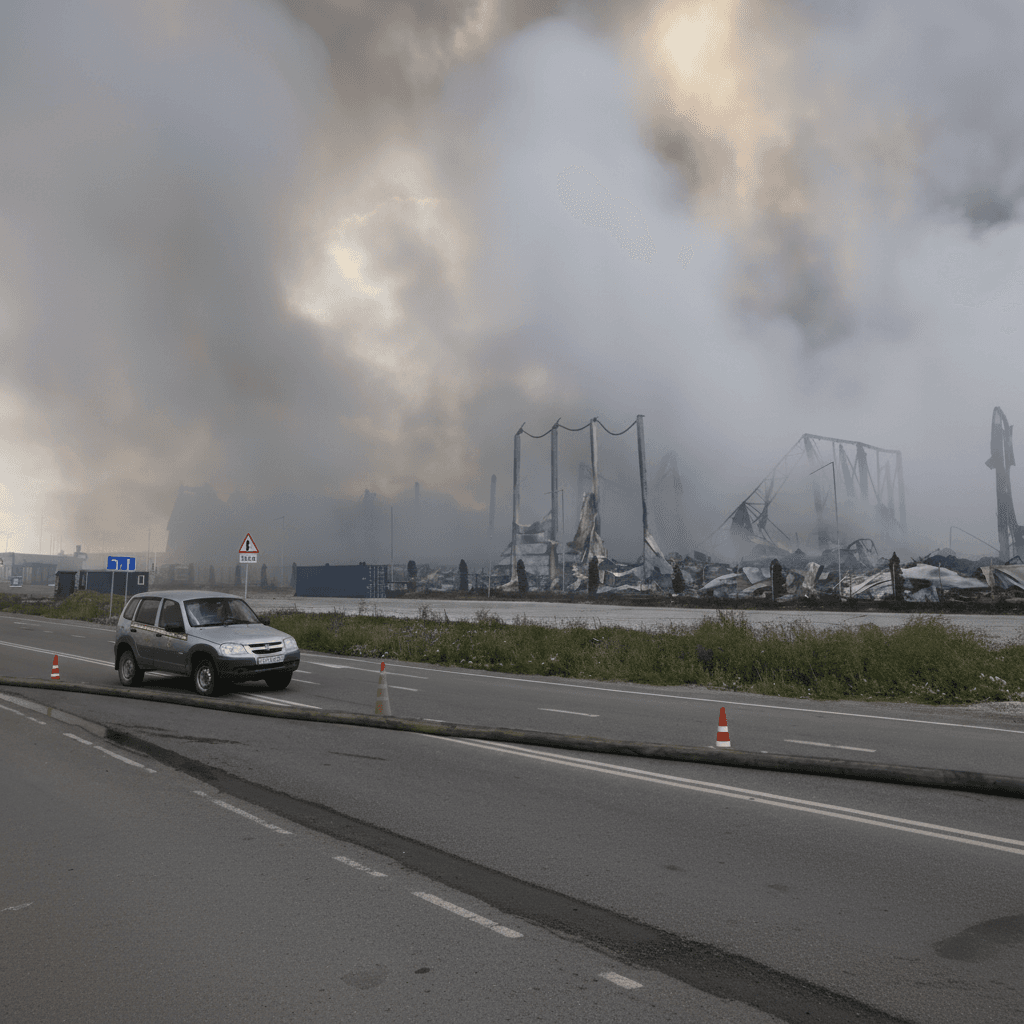
A forest fire detected in Australia on July 1, 2026 was still active as of July 13, 2026, according to GDACS (the Global Disaster Alert and Coordination System). The organization classifies it at 'Green' alert level, indicating an expected low humanitarian impact. This assessment takes into account the burned area, the potentially affected population, and its vulnerability. The aggregated data come from 28 references from the European Commission's Joint Research Centre (EC-JRC) and the World Meteorological Organization (WMO).
- Forest fire detected July 1, 2026, still active July 13, 2026 in Australia
- GDACS classifies the event as 'Green' alert: low humanitarian impact expected
- Assessment based on burned area, affected population, and population vulnerability
- 28 EC-JRC references mobilized to characterize the event
What we know
A forest fire was detected in Australia on July 1, 2026. As of July 13, 2026, it was still active according to GDACS — the Global Disaster Alert and Coordination System, a cooperation framework between the United Nations and the European Commission providing near-real-time disaster alerts.
GDACS classifies this fire at 'Green' alert level, the lowest on its three-tier scale (Green, Orange, Red). This classification indicates an expected low humanitarian impact.
The impact estimate rests on three criteria: the burned area, the size of the potentially affected population, and its vulnerability level.
The data mobilized
To characterize the event, GDACS aggregates information from several institutions. The European Commission's Joint Research Centre (EC-JRC) — the EU's internal scientific service specializing in global wildfire monitoring — provides 28 references, which is the largest contribution.
The World Meteorological Organization (WMO), a UN specialized agency responsible for standardizing meteorological measurements, contributes 1 reference. The INFORM index (Index for Risk Management), a tool measuring the risk of humanitarian crises that could exceed national response capacity, contributes 2 references.
Context
Australia is regularly affected by vegetation fires. The 2019-2020 season was the most devastating in the country's history, primarily affecting New South Wales and Victoria.
Timeline
- July 1, 2026First thermal anomaly detection: start of the forest fire in Australia, recorded by satellites aggregated by GDACS (event WF no. 1029494).
- July 13, 2026Last confirmed detection of active thermal anomaly. The fire remains active, maintained at Green alert level by GDACS.
Green
GDACS alert level — expected low humanitarian impact
13 days
Duration between first and last thermal detection (July 1–13, 2026)
Related articles



Latest articles


Comments
No comments yet. Be the first to react.