…
World
2026 World Cup: Argentine and English supporters separated for Atlanta semi-final
Herz — World Desk · · 30s summary · 3 min read
The essentials
The Argentina-England World Cup semi-final, scheduled for July 15, 2026 in Atlanta, has been classified as the tournament's "highest-risk" match. At the request of Buenos Aires Security Ministry, supporters of both nations will enter the stadium through separate gates. This decision follows coordination meetings involving the FBI, FIFA, and several police services. An unprecedented security apparatus is deployed around the stadium, in hotels, and on the official transport of both delegations.
- Argentina-England semi-final on July 15, 2026 in Atlanta: tournament's highest-risk match
- Physical separation of supporters: Gate 4 for Argentines, Gate 3 for English
- Buenos Aires Security Ministry initiative, coordinated with FBI, FIFA, multiple police forces
- Unprecedented security deployment: law enforcement, private security, enhanced access controls
- Historical rivalry rooted in 1982 Falkland War and Maradona's 1986 match
What we know
The Argentina-England semi-final, scheduled for July 15, 2026 in Atlanta, has been classified as the tournament's "highest-risk" match, according to the ANSA news agency.
Buenos Aires Security Ministry requested and obtained the physical separation of supporters from both nations. The decision came after coordination meetings held at the IPCC (International Police Cooperation Center), an international police cooperation center based in Leesburg, Virginia, involving notably the FBI and foreign police services.
These meetings brought together FIFA's risk assessment officer, representatives from the FBI, Georgia State Police, Miami Police Department, a representative from British police — whose system is structured around local services organized by county, with no unified national force —, the chief commissioner of Buenos Aires Police Mass Events Division, and the national director of Security for sports events in Argentina.
Argentine supporters will enter the stadium through Gate 4; English supporters through Gate 3.
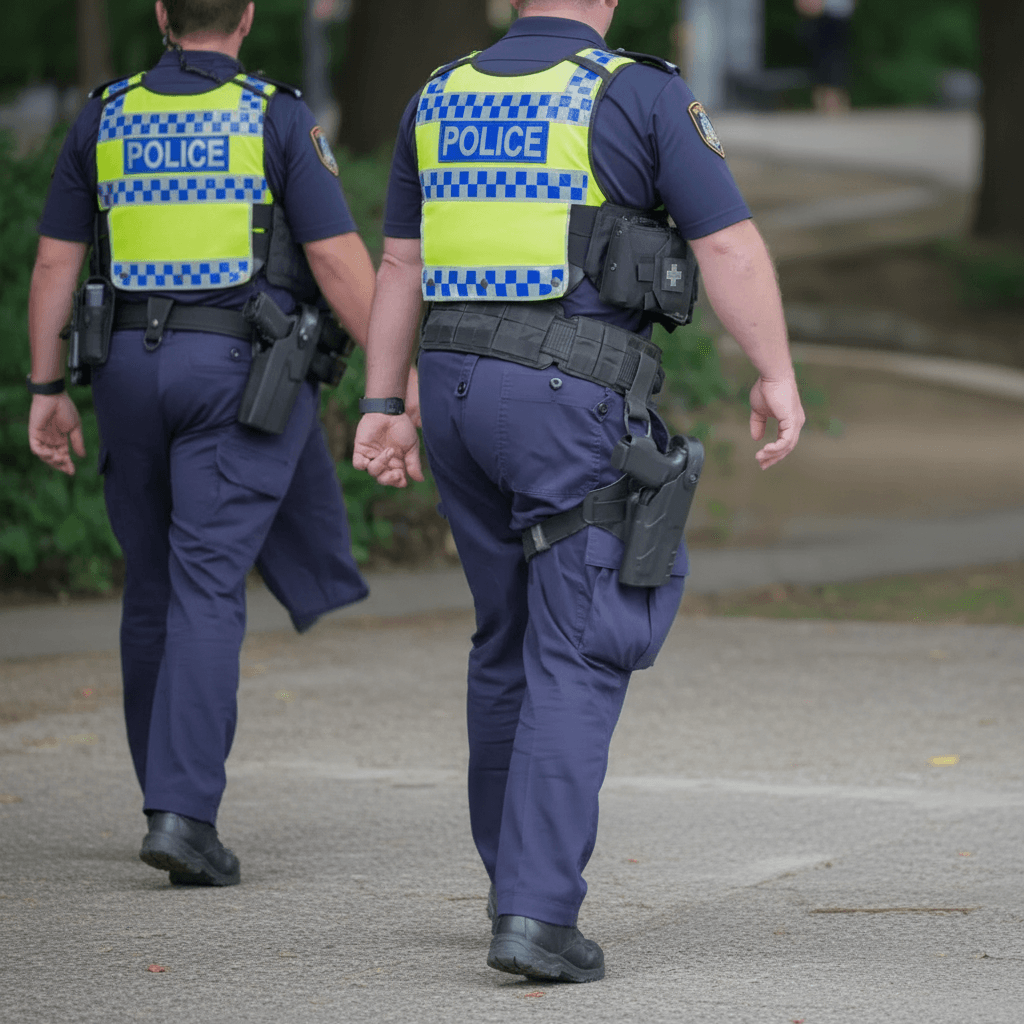
The security apparatus includes reinforced law enforcement presence around the stadium, additional private security personnel in stands and public areas, enhanced access controls, and a preventive deployment described as unprecedented. Protection extends to hotels housing both delegations and all their official transport.
Context: A rivalry rooted in history
The rivalry between Argentina and England extends far beyond sport. It is rooted in shared historical conflicts, including the 1982 Falkland War, which pitted the two nations against each other for control of the Falkland Islands and South Georgia in the South Atlantic.
In football terms, the defining confrontation remains the 1986 World Cup quarter-final in Mexico, won 2-1 by Argentina thanks to two goals from Diego Maradona: the first, known as the "Hand of God," resulted from an unseen foul; the second was voted "Goal of the Century." This match took place just four years after the Falkland War.
Hooliganism — the use of violence by supporters as a reflection of sporting, social, political, or cultural opposition — represents an identified risk at high-stakes encounters between the two nations.
Timeline
- April-June 1982Falkland War: Argentina and the United Kingdom clash militarily over the Falkland Islands and South Georgia.
- June 22, 1986Quarter-final in Mexico: Argentina beats England 2-1 on a Maradona brace — "Hand of God" and "Goal of the Century" — four years after the Falkland War.
Related articles


Latest articles

Comments
No comments yet. Be the first to react.